
Understand
the changes
Proposed changes to Section 106 would significantly narrow what is considered, reduce whose voices must be included, and remove the requirement to resolve negative effects, among other changes.
The basics
What is Section 106?
Section 106 is part of the National Historic Preservation Act of 1966. When a project involves a federal agency, federal funding, or certain federal permits, licenses, or approvals, Section 106 requires the federal agency to consider how the project may affect historic places.
The process begins before decisions are final. Federal agencies work with consulting parties to identify historic places that may be affected, understand potential impacts, and consider ways to avoid, minimize, or address those impacts.
Consultation does not stop projects or give the public veto power. The federal agency retains the final decision about how the project moves forward. When a project will negatively affect a historic place, the current process brings consulting parties together to seek ways to avoid, minimize, or mitigate that harm.
Today, Section 106 considers more than historic buildings. It can include archaeological sites, historic districts, cultural landscapes, sacred places, cemeteries, and other places important to communities and Tribal Nations. It also considers the context that gives a historic place its meaning, including its setting and surrounding landscape, and how changes to views, noise, or atmosphere may affect its historic character.
In 2025, 1,512 new Section 106 consultations were opened in Colorado. Over the last five years, fewer than 2% each year, on average, required mitigation. This shows that the vast majority of projects move forward without requiring additional measures to address harm to historic places.
in 2025
(5-year average)
The proposed changes
What would change?
The proposed changes to Section 106 would fundamentally alter the process. Here are some of the key changes and what they could mean for Colorado.
Narrowed definition of “historic”
Would exclude cultural landscapes, archaeological resources, battlefields, sacred sites, and many other places that matter to Colorado communities.
Learn more
Today: Section 106 can recognize more than buildings and structures. Historic resources can include sites, districts, archaeological resources, traditional cultural places, and landscapes that are eligible for the National Register of Historic Places. A place does not need to contain a building to qualify. A natural place such as a mountain, valley, or body of water can potentially qualify when it has historic, cultural, or religious significance and meets National Register requirements.
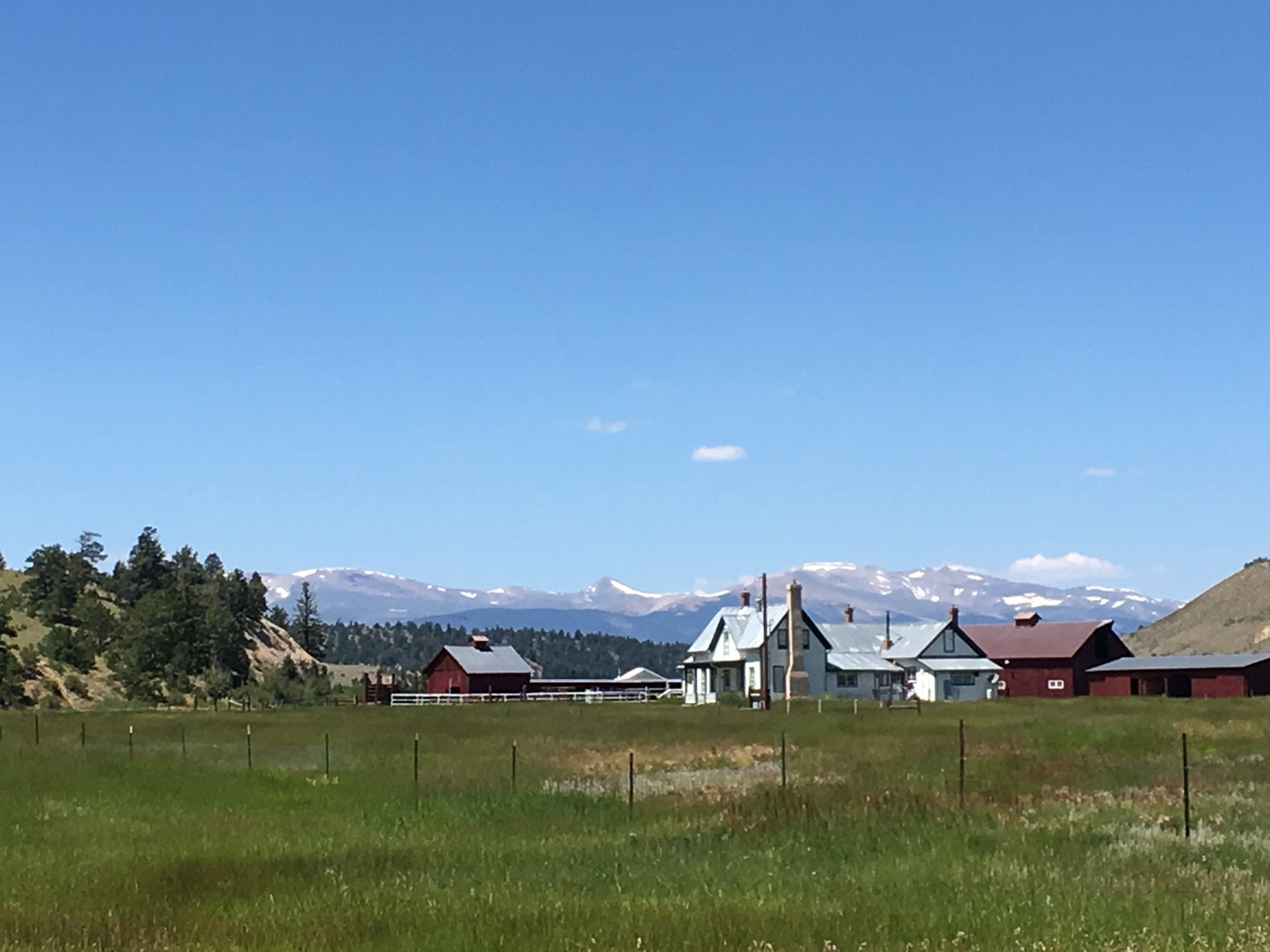
Proposed: The definition of what qualifies as a historic “property” would become narrower. A place would need to be geographically compact and either include or have included tangible human improvements or have been the location of specific human activities. The proposed regulations specifically state that noncompact, unimproved natural features such as mountains, valleys, bodies of water, landscapes, and ethnographic landscapes would not qualify as property.
What that could mean in Colorado: Imagine a Colorado mountain that has been sacred to a Tribe for generations. Today, that mountain can potentially be recognized as a historic property even though nobody built a building on it. Under the proposed definition, if the mountain is considered too geographically broad and has not been physically improved, it could no longer qualify. If a federally permitted transmission line, mine, highway, energy project, or other federal undertaking could affect it, Section 106 might never require the agency to consider the mountain in the first place.
Setting, viewsheds, and other impacts
Would remove consideration of setting, views, noise, and atmospheric effects, allowing projects to move forward without reviewing these impacts on historic places.
Learn more
Today: Section 106 requires federal agencies to consider more than whether a project physically damages a historic resource. Negative effects can include changes to its setting or the introduction of visual, atmospheric, or audible elements that diminish the characteristics that make the resource historic.
Proposed: The regulations would remove the current language specifically identifying changes to a historic resource’s setting and the introduction of visual, atmospheric, or audible elements as examples of negative effects. The proposal would also narrow the area examined for effects toward direct material alterations.
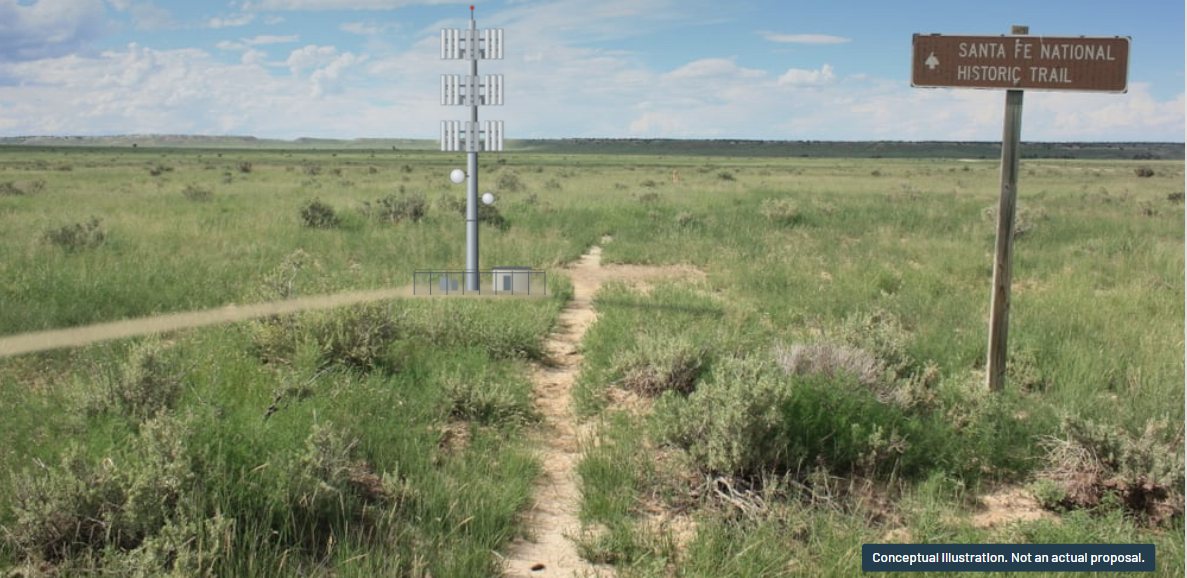
What that could mean in Colorado: Views: A federally regulated cell tower along the Santa Fe National Historic Trail could negatively affect historic views even though it never touches the trail. Noise: A federally funded highway expansion could substantially increase traffic noise through a historic neighborhood without demolishing a single building. Setting: A federally approved transmission line could introduce large towers into the landscape around a historic district while leaving every building untouched. The buildings may still be standing. But the setting that makes the place historic could be changed forever.
Reduced role for SHPOs, local governments, and the public
Would limit the voices required to be at the table. Fewer people would have the opportunity to participate and provide comments.
Learn more
Today: Section 106 requires meaningful consultation throughout the review process and establishes who must be included. State and Tribal Historic Preservation Officers, Tribal Nations, local governments, applicants, and other consulting parties bring expertise and knowledge that a federal agency may not have. The public must also be given opportunities to provide input. When negative effects are identified, the agency must consult with other parties to try to reach agreement on how they will be addressed.
Proposed: Federal agencies would have greater control over who participates, when consultation occurs, and how input is considered. Some parties would no longer have the same required role. The agency could conduct more of the review itself before providing its analysis to consulting parties for comment. Public participation would also become more discretionary.
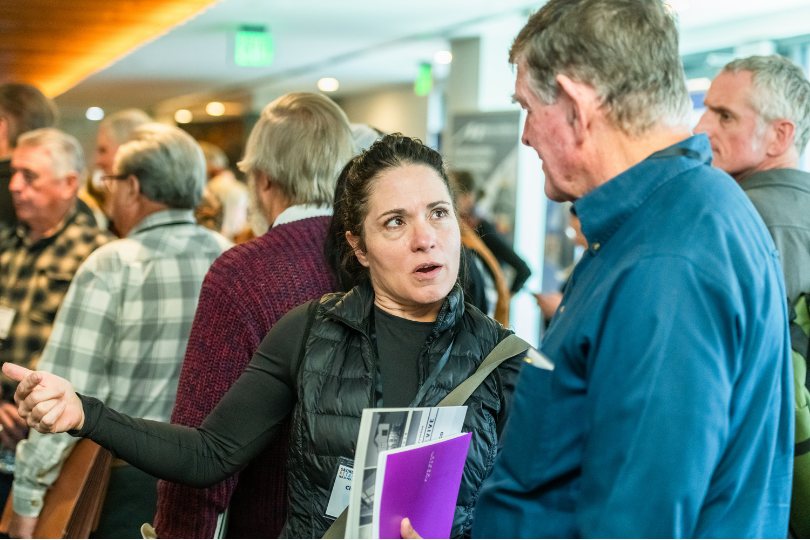
What that could mean in Colorado: This changes more than who gets to speak. Consulting parties often provide information that is not available in federal records. Bringing that knowledge into the process early can identify resources or concerns before decisions are made and while alternatives are still possible. There is a difference between having a seat at the table and commenting from outside the room.
Eliminating mitigation
Would remove the requirement to resolve negative effects when they are found, increasing the risk of harm to historic places.
Learn more
Today: When a federal project will negatively affect a historic resource, the agency must consult with other parties to try to resolve that effect, considering ways to avoid, minimize, or mitigate the harm. Mitigation might include changing the project, documenting what will be lost, funding preservation of another historic resource, or supporting archaeological research. The agency still makes the final decision.
Proposed: If a federal agency identifies a negative effect, it would no longer be required to work with consulting parties to try to reach an agreed solution. Mitigation would not be required. The agency could determine for itself how to address the effect and allow the project to move forward.
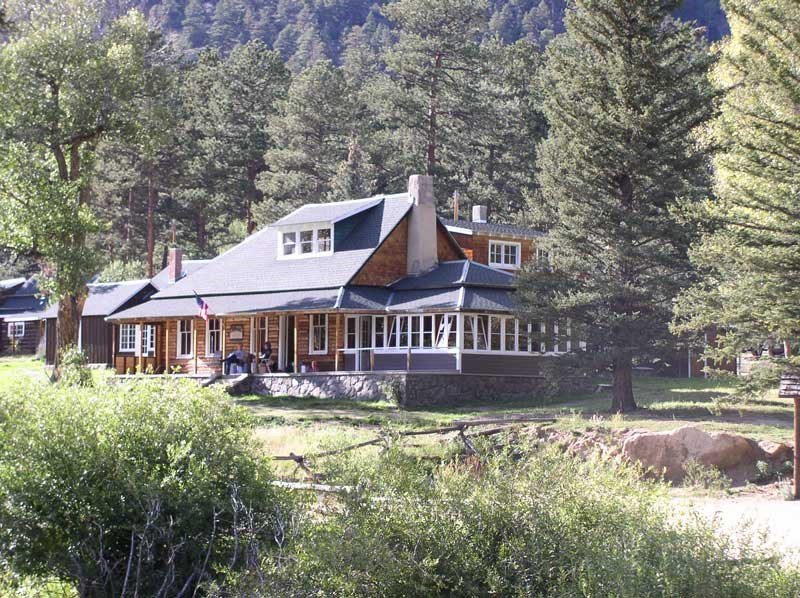
What that could mean in Colorado: When the National Park Service acquired the historic McGraw Ranch in Rocky Mountain National Park, the agency planned to tear down the ranch buildings. Section 106 consultation gave Estes Park residents and the National Trust for Historic Preservation a way to make the case for saving the former guest ranch. Opposition from local communities convinced the Park Service to convert the ranch to a research facility. Park crews and volunteers restored the buildings, with park gate fees contributing $1.2 million to the work. Today the ranch houses scientists studying the park. The Park Service met its need for facilities, while a piece of Colorado’s ranching history was preserved.
Impacts to Tribal Nations
Would limit consultation and exclude many places of cultural and spiritual importance, undermining government-to-government consultation.
Learn more
Today: Under federal law, federal agencies must consult with Tribal Nations on a government-to-government basis when projects may affect historic resources of religious or cultural significance to them. Tribes may hold knowledge about sacred places, ancestral lands, burial sites, archaeological resources, and cultural landscapes that is not documented in government records.
Proposed: The changes could narrow which places receive Section 106 review and reduce when Tribal Nations are involved. Agencies would still have a legal responsibility to consult, but Section 106 would provide fewer requirements for when and how that consultation occurs.
What that could mean in Colorado: Imagine a federal project near an ancestral burial site known to a Tribal Nation but not documented in federal records. Today, Tribal consultation can bring that information into the process early enough to avoid or protect the site. Under the proposed changes, key decisions could be made before the Tribe and its knowledge are brought into the review. Tribal consultation is more than public comment.
Let your voice be heard.
These changes are not final.
The public has an opportunity to weigh in on the proposed changes to Section 106. This is your chance to tell federal decision makers why meaningful consultation matters and what could be lost if communities no longer have the same seat at the table. You do not need to be a preservation professional or an expert in Section 106.